
A featured contribution from Leadership Perspectives: a curated forum reserved for leaders nominated by our subscribers and vetted by the Manage HR Advisory Board.

NYCOM
From Knowledge Management to Knowledge Intelligence: Building an Ecosystem That Helps Employees Find, Trust, and Apply What They Need
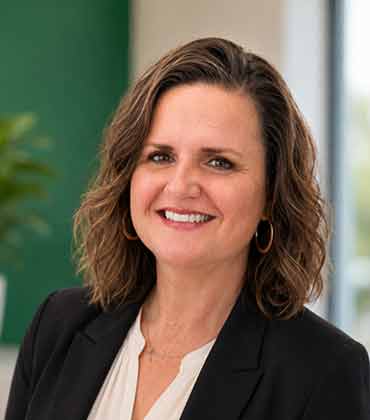
Faith Kilafwasru
When I stepped into a newly created L&D function, I quickly realized that my organization did not lack knowledge. We had an enormous amount of it. The problem was that it was scattered across folders, old recordings, individual departments and, most importantly, in the minds of experienced employees.
My first priority was not to create more content. It was to understand what already existed, determine what was still accurate and establish ownership. I developed a Published and Approved Library as our single source of truth, supported by a governance process for reviewing, approving, naming, maintaining and eventually archiving content.
Our subject matter experts remain responsible for the accuracy of the information, while L&D is responsible for making it organized, accessible and useful. That partnership creates trust. Employees need to know not only where to find something, but that someone knowledgeable has reviewed it and is responsible for keeping it current.
Connecting Knowledge to the Work
I believe we have to start with the work, not the content. Employees rarely wake up thinking, “I would like to take a course today.” They usually have a question, a task to complete or a problem to solve.
That changed the way I organized our resources. Instead of expecting employees to search through a large repository, I created role-based Learning Centers organized around their actual workflow and points of need. The approved content still lives in one central location, but it can be linked wherever employees are most likely to need it. Useful knowledge must also provide context. A step-by-step guide may explain how to complete a task, but employees also need to understand why it matters, what can go wrong and when they may need to make a different decision. That is what helps people move from simply following instructions to building capability.
That same focus on the work also shapes how we approach the knowledge employees gain through experience. Centralized knowledge and employee experience should strengthen each other. A formal procedure gives employees consistency, but experienced employees understand the exceptions, warning signs and judgment calls that are difficult to capture in a standard process.
L&D can help bring that practical knowledge forward by asking better questions. Instead of only asking an expert to demonstrate a task, I also ask: What are you looking for? Why does this matter? What mistakes do you commonly see? What would cause you to stop and ask another question?
“The goal is not simply to accumulate content. It is to make knowledge easier to find, understand and use.”
I think of this as giving employees access to the “Expert Lens”—the thinking behind the work. That knowledge might become a scenario within an eLearning course, a 15-minute podcast, a short video or a deeper learning experience supported by job aids and reference materials. Employees who need an immediate answer are not forced to sit through a lengthy course, while those building their expertise have a place to go deeper.
The goal is not to turn every expert conversation into formal training. It is to capture valuable experience, connect it to trusted information and make it available in a format employees can actually use.
Managing Knowledge and Developing Capability
Data can tell us what employees are opening, searching for and completing, but numbers alone do not tell the whole story. I also pay attention to repeated questions, common mistakes, manager feedback and the places where employees continue to get stuck.
Sometimes a resource with relatively few views is still essential because it supports a high-risk or infrequent task. Other times, a heavily viewed resource may indicate that the underlying process is confusing. The goal is not simply to accumulate content. It is to manage a knowledge lifecycle: retaining what remains valuable, updating what has changed and archiving what is outdated or duplicated. Managing that lifecycle also requires people who understand how knowledge fits into the work. For HR and L&D professionals, that means getting as close to the work as possible. You do not have to have performed every role you support, but you do need to understand how the work gets done. Shadow employees, observe workflows, ask where handoffs break down and listen for the questions people repeatedly ask.
I had the advantage of working inside the operation before moving into L&D, so I had personally experienced many of the same systems, handoffs and knowledge gaps employees faced. Curiosity, observation and strong partnerships with employees and subject matter experts are equally important.
Do not expect your experts to become instructional designers. Our role is to help uncover what they know, identify what others need and translate that knowledge into something employees can understand and use. Finally, become comfortable working across learning, technology, operations and data. Knowledge management is not just document organization, and employee development is not just course creation. The opportunity is to build an ecosystem that makes complex work easier to learn, find and perform and gives employees the confidence, capability and momentum to keep growing.
The articles from these contributors are based on their personal expertise and viewpoints, and do not necessarily reflect the opinions of their employers or affiliated organizations.

Be first to read the latest tech news, Industry Leader's Insights, and CIO interviews of medium and large enterprises exclusively from Manage HR Magazine
